
Shilajit has been part of Ayurvedic practice for centuries, and in the last few years it has become one of the most searched supplements in India. That popularity has brought a flood of products of very uneven quality. This guide covers what shilajit is, why sourcing and testing matter so much, and how to use it sensibly.
What shilajit is
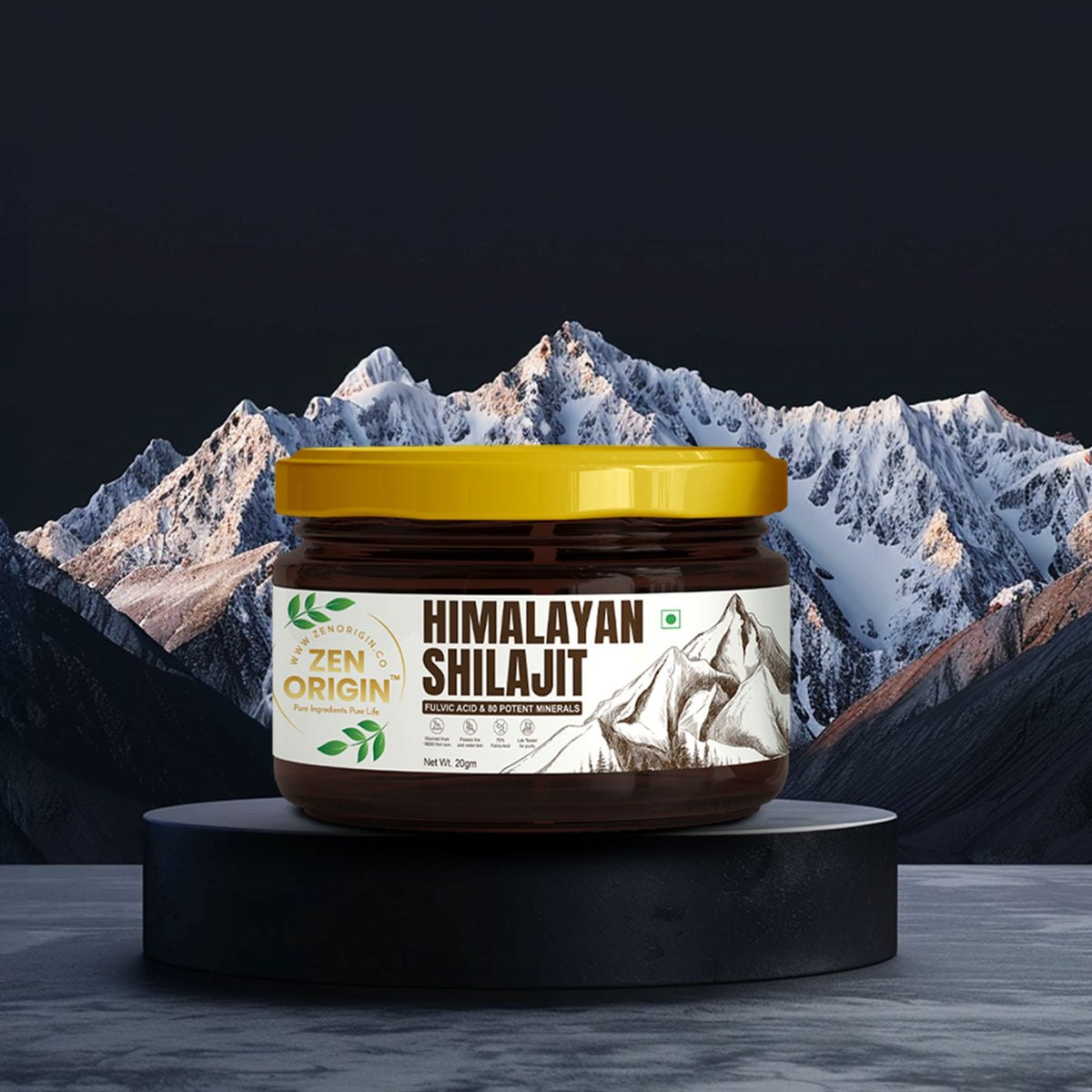
Shilajit is a dark, sticky resin that seeps from rock faces in high mountain ranges, most famously the Himalayas. It forms over very long periods as plant matter decomposes and is compressed within the rock, and it emerges in the warm months as a tar-like exudate. Its best-studied components are fulvic acid and other humic substances, along with a range of minerals.
Ours is gathered by hand in the Spiti-Lahaul region of Himachal Pradesh, at altitudes above 3,000 metres.
Why purification and testing come first
Raw shilajit is not a finished food. Straight from the rock, it can carry soil, stone, microbes and, critically, heavy metals such as lead, arsenic and mercury that occur naturally in mountain rock. Studies of products sold internationally have found contamination in some of them; a 2014 study of shilajit products sold in the USA is one example, and a 2023 safety review stresses that only purified material should be consumed.
Good purification removes impurities while keeping the resin’s character. Ours is purified gently with water and sunlight rather than strong heat or solvents, and every batch is lab-tested for purity and heavy metals. The report is linked on the product page.
Resin, powder or capsules?
Shilajit is sold in three main forms. Resin is the traditional form: glossy, pliable and closest to the raw material. Powders and capsules are convenient, but they are processed further and are easier to bulk out with fillers, and it is harder to judge them by eye. Whatever the form, the lab report matters more than the format.
Simple checks for genuine resin
These signs are worth knowing. They are hints that a resin behaves the way shilajit should, not proof of safety; only a lab test can rule out contamination.
- It changes with temperature. Genuine resin softens and becomes sticky in warm hands or a warm room, and turns firm, even brittle, when cold.
- It dissolves cleanly. A small piece stirred into warm water dissolves completely into a golden-brown liquid, without leaving grit or an oily film.
- It smells earthy. The aroma is strong, smoky and mineral, never sweet or perfumed.
- It is bitter. The taste is bitter and earthy. Sweetness can indicate added sugar.
- It does not burn like plastic. If a tiny piece is heated, it should bubble rather than catch fire or smell of plastic.
How to take shilajit
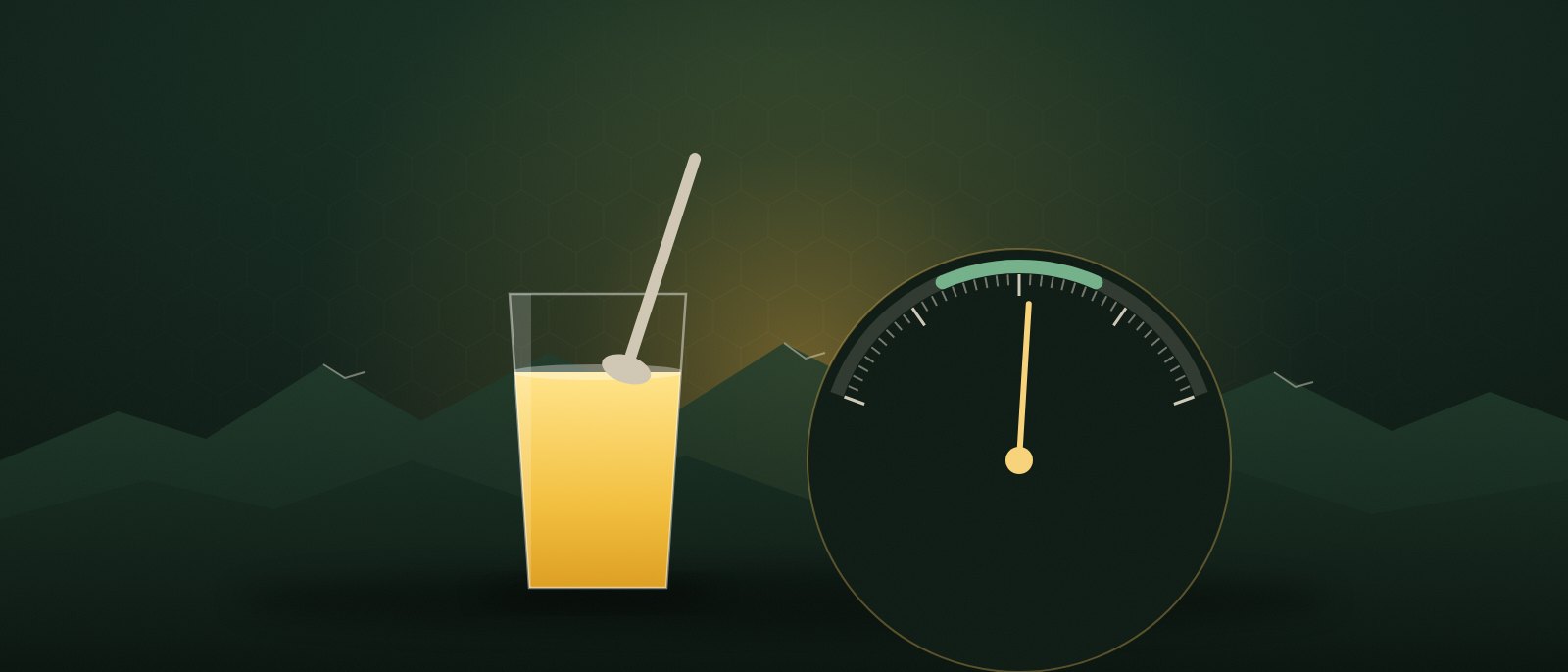
Most people take a small, pea-sized portion, roughly 300 to 500 mg, once a day:
- Dissolve it in a glass of warm water or warm milk and stir until it disappears. Avoid boiling liquid.
- Take it at a consistent time, morning or evening.
- Start with less than a pea if you are new to it, and see how you feel.
At that amount, a 20 g jar lasts roughly two months. Store it closed, at room temperature, away from moisture.
Who should be careful
Research on shilajit is still limited, and there are no large long-term safety studies. Speak to your doctor before taking it, especially if you:
- are pregnant or breastfeeding, or buying for a child;
- have a medical condition, including diabetes, high blood pressure, gout or an iron-related disorder;
- take regular medication.
Stop taking it if you notice any side effects. Shilajit is a traditional food supplement, not a medicine, and it is not a substitute for treatment.
The short version
Choose purified resin from a named source, ask for a recent heavy-metal report, look for a resin that softens with warmth and dissolves cleanly, and keep to a small daily amount. Our Shilajit Resin is sold in 20 g jars, and you can also choose it as any of the four items in a Bonanza box.